
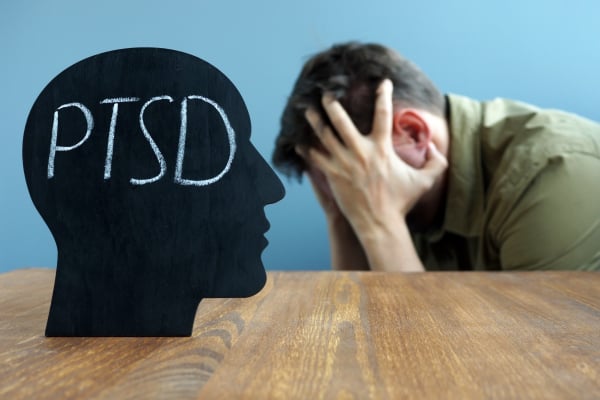
Complex PTSD, or cPTSD, is a mental health condition that can develop after experiencing long-term or repeated trauma. While regular PTSD may result from a single traumatic event (like a car accident or natural disaster), cPTSD comes from situations that last a long time—often where the person feels trapped or powerless.
Examples include:
-
Ongoing childhood abuse or neglect
-
Domestic violence
-
Living in a war zone or being held captive
-
Long-term emotional or psychological abuse
Over time, this kind of trauma can deeply affect how a person thinks, feels, and relates to others.
How Is cPTSD Different from PTSD?
PTSD and cPTSD share some symptoms like flashbacks, nightmares, and being easily startled. But cPTSD often includes additional struggles, such as:
-
Low self-esteem or feeling worthless
-
Difficulty with relationships or trust
-
Strong feelings of guilt or shame
-
Emotional numbness or trouble managing feelings
-
Feeling constantly unsafe or on edge
-
Negative self-talk, like “I’m broken” or “It’s my fault”
Because the trauma is long-lasting, cPTSD can have a more deep-rooted effect on a person’s identity and emotional life.
How Is cPTSD Treated?
The good news is that cPTSD is treatable. With the right support, many people go on to heal and build healthy, fulfilling lives. Treatment usually involves:
-
Therapy: Talking with a trained therapist is one of the most effective ways to heal. Common types of therapy include:
-
Trauma-focused therapy (like EMDR or somatic therapy)
-
Cognitive Behavioral Therapy (CBT) to change negative thinking
-
Dialectical Behavior Therapy (DBT) for emotion regulation
-
-
Building safety and trust: A key part of treatment is helping people feel safe—both with others and with themselves.
-
Medication: While there’s no specific medication for cPTSD, doctors may prescribe medication to help with anxiety, depression, or sleep.
-
Support systems: Healing often includes rebuilding connections, whether through support groups, trusted friends, or community resources.
What Recovery Looks Like
Recovery from cPTSD takes time, but it is very possible. Healing doesn’t mean forgetting the trauma—it means learning how to manage its effects and reclaim your life. Many people start by feeling small improvements, like better sleep or less fear, and over time, feel more in control and hopeful.
You’re Not Alone
If you or someone you care about might be dealing with cPTSD, know this: you are not alone, and what you're feeling makes sense. What happened to you matters, and healing is possible with the right help. Reaching out to a therapist or support group can be the first step toward feeling better.