
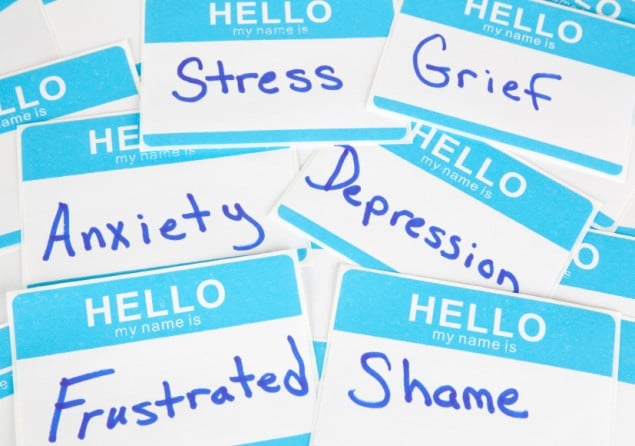
 The symptoms of mental illness vary from person to person depending on the type of mental illness or medical condition the person is experiencing. Symptoms can affect both physical and mental function for the person who experiences a form of mental illness.
Physical symptoms of mental illness include:
- sleep disturbances, either sleeping too much or not being able to sleep
- feeling fatigued or exhausted all the time
- suffering from a variety of aches and pains
- digestive problems, acid reflux, irritable bowel syndrome, nausea
- headaches
- dry mouth
- excessive perspiration
- dizziness
- weight loss or gain
- low libido (low sex drive)
Emotional symptoms of mental illness include:
- feelings of sadness
- feeling unable to cope with even the simplest of everyday tasks
- excessive crying
- excessive worry or anxiety
- confusion, loss of memory, inability to make decisions
- anger or aggression
- hallucinations
- suicidal thoughts
Behavioral symptoms of mental illness include:
- withdrawal from activities
- withdrawal from friends and family
- increase or loss of appetite
- drug or alcohol abuse
- indulging in high risk behaviors such as gambling or promiscuity
For the above conditions, a mentally ill person may be manifesting one, two or several of these behavioral symptoms.
What is the recommended treatment for mental illness?
Treatment for mental illness depends on the type of mental illness a person is experiencing. A trained psychiatrist, physician or psychotherapist should generally make this diagnosis, because many mentally ill individuals suffer what is commonly called a “dual diagnosis,” signifying more than one single cause for the mental problems being exhibited.
The treatment program selected will vary over a wide array of alternatives, depending on the severity of the condition. Mild to moderate problems can be treated with a combination of medication and counseling therapy such as psychotherapy or Cognitive Behavioral Therapy (CBT).
When severe cases of mental illness are identified, extreme measures such as brain stimulation treatments may be used. These necessary procedures may include electroconvulsive therapy (ECT). However, this type of treatment is usually employed as a last resort when medication and counseling therapy have not worked.
In very serious cases of mental illness, hospitalization may be necessary, this only occurs if the person with the mental illness is unable to take care of himself or herself, or if they are in danger of coming to harm or harming others. Institutionalized treatment is typically the last line of treatment for severely mentally ill patients, and is limited to persons who are at risk to cause injury or death to others or to themselves.